-
1.
What Should You Consider Before Starting a Bathroom Renovation?
-
2.
How Much Does a Bathroom Renovation Cost?
-
3.
How Long Does a Bathroom Renovation Take?
-
4.
Who Does Bathroom Renovations?
-
5.
Can You Renovate a Bathroom Yourself?
-
6.
Planning a Small Bathroom Renovation
-
7.
How to Save Money on a Bathroom Renovation?
-
8.
Common Bathroom Renovation Mistakes to Avoid
-
9.
Bringing Your Vision Together
A bathroom renovation often starts with a simple thought. Maybe the layout no longer works for your family, the facilities are limited, or the space feels tired after years of daily use. For some homeowners, it is about creating a more modern look, while for others, it is about improving comfort and functionality for the years ahead.
Whatever the reason may be, knowing how to plan a bathroom renovation can make the entire process smoother and help avoid unexpected costs and delays. Many Canberra homeowners begin their renovation journey by focusing on practical needs first, then building a design that complements their lifestyle and home.
What Should You Consider Before Starting a Bathroom Renovation?
Before choosing tiles or fixtures, it helps to think about how the bathroom is used every day. A well-planned bathroom renovation should work just as well five years from now as it does on the day it is completed.
Some important questions to ask include:
- Does the current layout suit your household?
- Is there enough storage for everyday essentials?
- Would better lighting improve the space?
- Are there future accessibility needs to consider?
- Do you want timeless finishes or a more contemporary design?
The planning stage is often where the best decisions are made. Understanding how a family lives in their home helps create a bathroom that is equally beautiful and practical.
How Much Does a Bathroom Renovation Cost?
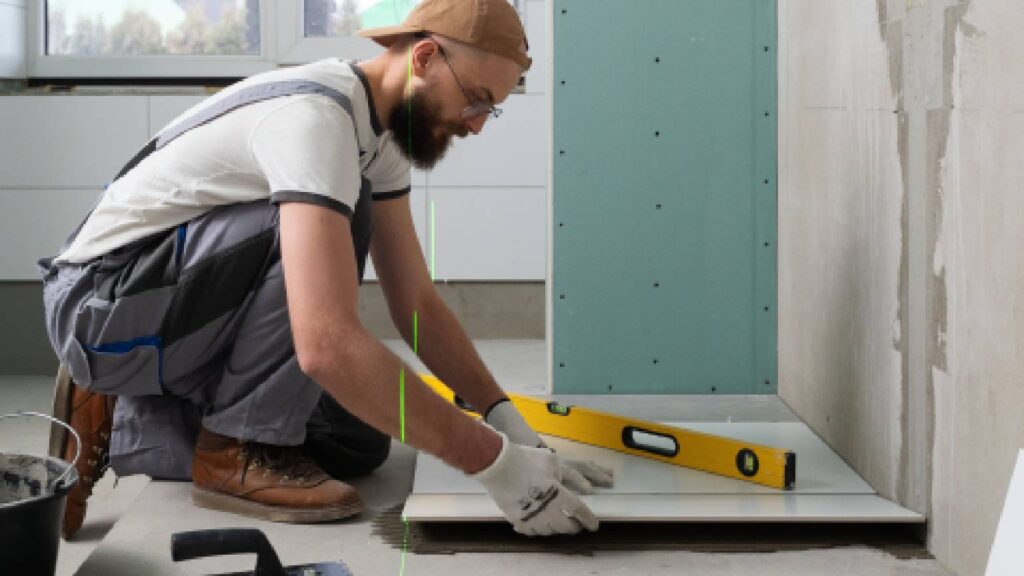
One of the most common questions homeowners ask is the total renovation cost of the bathroom. Many delay renovation plans because they are concerned about construction expenses, material costs and the time involved in completing the project. In reality, the overall investment can vary significantly depending on the scope of work and the choices made during the planning stage.
The specific answer on budgeting depends on several factors, including the size of the space, the materials selected and whether structural or plumbing changes are required. A small cosmetic update will naturally involve a different investment compared to a complete redesign.
Factors that can influence costs include:
- Moving plumbing fixtures
- Custom cabinetry
- Waterproofing requirements
- Premium tapware and fittings
- Tiling selections
- Electrical upgrades
For many projects, retaining the existing layout can help keep costs manageable. Experienced renovation professionals often work with homeowners to identify where they can focus on investment value while avoiding unnecessary expenses.
A well-planned budget also allows room for unforeseen issues, particularly in older homes where hidden water damage or outdated plumbing may be uncovered during the renovation process.
How Long Does a Bathroom Renovation Take?
Renovation timelines can affect daily routines, especially when the bathroom is used by the entire family, so having realistic expectations from the outset is essential. While every project is different, the overall timeframe depends on factors such as the scope of work, material availability, and whether any structural or plumbing changes are required.
Most standard bathroom renovations are completed within two to four weeks, although larger or more complex projects may take longer. The timeline can depend on several factors, including material availability, the scope of work and the coordination of different trades.
Typical stages include:
- Demolition and preparation
- Plumbing and electrical work
- Waterproofing
- Tiling and flooring
- Installation of fixtures and fittings
- Final finishing and inspections
Careful scheduling and early planning help minimise delays and keep projects moving efficiently. Ordering materials in advance and confirming design selections before work begins can make a significant difference to the overall timeline.
Who Does Bathroom Renovations?
A bathroom renovation is rarely a one-person job. Behind every finished space is a team of professionals who bring different skills to the project, from builders and tilers to licensed plumbers and electricians. Understanding who is involved can help homeowners make informed decisions and ensure the renovation is completed safely, efficiently and in line with Australian building requirements.
A successful bathroom renovation usually involves a team of licensed professionals, each responsible for different aspects of the project. This may include:
- Builders
- Plumbers
- Electricians
- Waterproofers
- Tilers
- Cabinet makers
- Painters
Rather than managing multiple contractors independently, many homeowners prefer working with experienced builders who coordinate the entire process. A good renovation team manages every stage of the journey, ensuring that qualified trades work together to deliver a seamless result. Our guide on choosing the right builder for your renovation walks through what to look for before you commit.
Having one point of contact can reduce stress and provide greater confidence throughout the project.
Can You Renovate a Bathroom Yourself?
With countless renovation ideas and tutorials available online, many homeowners consider taking on parts of their bathroom project themselves. While some cosmetic improvements can be a rewarding DIY experience, it is important to understand which tasks require licensed professionals to ensure safety, compliance and long-term durability.
The answer depends on the type of work involved.
DIY Cosmetic Updates
Many cosmetic improvements can be completed by homeowners, including:
- Painting walls
- Replacing mirrors
- Updating towel rails and accessories
- Installing shelving
- Refreshing décor and styling elements
These smaller projects can provide a new look without requiring major construction work.
Work That Requires Licensed Professionals
Certain tasks must always be completed by licensed trades in Australia.
Plumbing Moving pipes, installing new drainage systems or connecting fixtures should only be undertaken by qualified plumbers to ensure compliance and long-term reliability.
Waterproofing Proper waterproofing is essential for protecting your home from moisture damage. Professional waterproofing also ensures the work meets Australian standards.
Electrical Work Lighting, power points, exhaust fans and heated towel rails require licensed electricians to maintain safety and compliance.
Homeowners often appreciate having experienced professionals manage these technical aspects while still allowing opportunities for personal design choices and finishing touches.
Planning a Small Bathroom Renovation
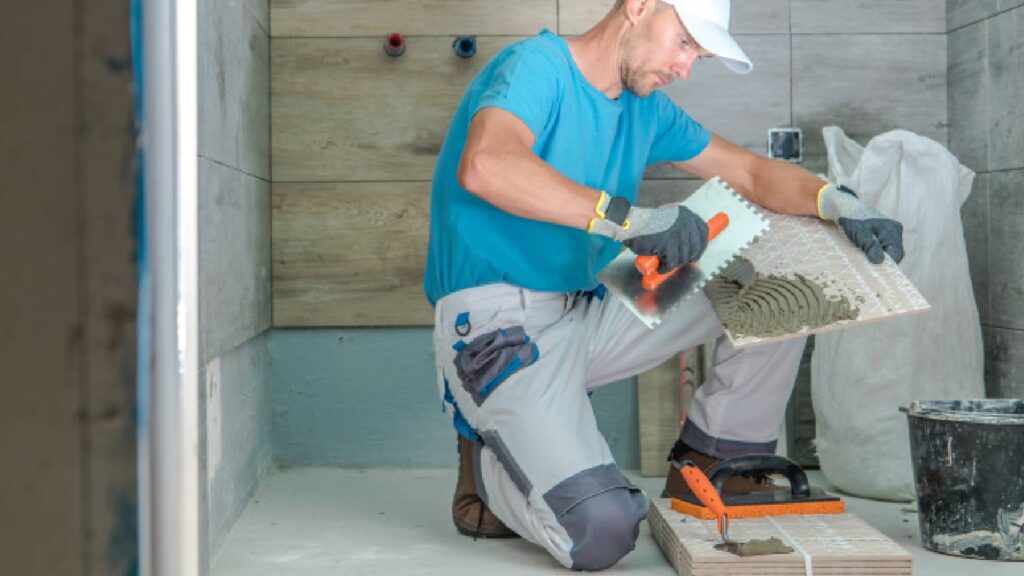
A small bathroom renovation comes with unique opportunities. With thoughtful planning, compact spaces can become highly functional and visually appealing.
Simple design choices can make a noticeable difference, such as:
- Wall-hung vanities to create more floor space
- Frameless shower screens
- Built-in storage niches
- Large-format tiles
- Neutral colour palettes
- Improved lighting
A small bathroom renovation is not about making the room bigger but about making it work better. Clever layouts and practical storage solutions often have the greatest impact on everyday living.
Many homes also benefit from designs that maximise natural light and create a stronger connection between form and function.
How to Save Money on a Bathroom Renovation?
Understanding how to save money on a bathroom renovation does not mean sacrificing quality. Instead, it means making informed choices from the very beginning.
Some practical ways to manage costs include:
Keep the Existing Layout Retaining the original plumbing locations can significantly reduce labour and material expenses.
Finalise Decisions Early Changing fixtures, tiles or layouts during construction often leads to additional costs and delays.
Invest in Durable Materials Quality products generally provide better value over time through improved durability and reduced maintenance.
Prioritise Practical Features Good storage, ventilation and functional layouts are often more valuable than short-lived design trends.
Experienced renovation teams regularly work with homeowners to identify smart investment areas that enhance both functionality and long-term value without exceeding budget expectations.
Common Bathroom Renovation Mistakes to Avoid
Even the most exciting renovation projects can encounter challenges without proper planning. Understanding common bathroom renovation mistakes to avoid can help create a smoother experience.
Starting Without a Clear Budget A realistic budget provides direction and reduces the likelihood of unexpected financial pressure later in the project.
Ignoring Ventilation Good ventilation is essential for preventing mould, moisture issues and long-term maintenance problems.
Prioritising Style Over Function Beautiful spaces should also support everyday living. Storage, accessibility and practicality remain important considerations.
Attempting Complex DIY Work Plumbing, electrical and waterproofing tasks should always be left to licensed professionals to ensure safety and compliance.
Making Decisions During Construction Finalising selections before work begins helps keep timelines and budgets under control.
Careful preparation and clear communication are key elements that help homeowners avoid many of these common challenges.
Bringing Your Vision Together
A successful bathroom renovation is about more than selecting tiles and fixtures. It begins with understanding how the space should function for your household and making informed decisions from the very beginning. Whether you are planning a complete upgrade or a small bathroom renovation, careful preparation can help avoid common challenges and deliver better long-term value.
With the right approach, a well-planned renovation can become an investment that enhances everyday living for many years to come. If you’re in Canberra and looking for a trusted team to bring this plan to life, Abode Constructions offers the practical planning, clear communication and quality trades needed to make the process seamless from start to finish.
Award-Winning Home Builders In Canberra





© 2026 Abode Constructions and Developments | All Rights Reserved